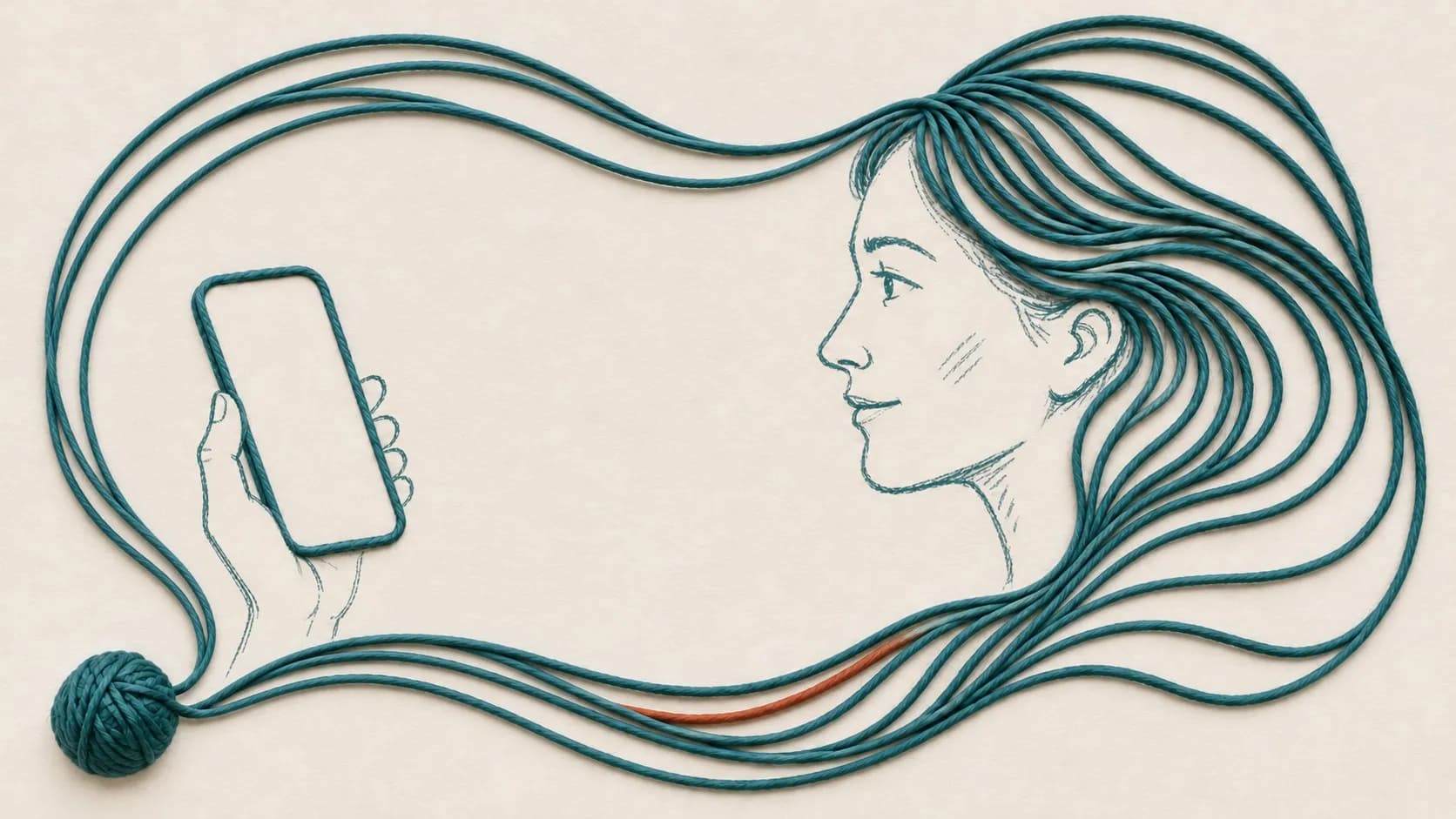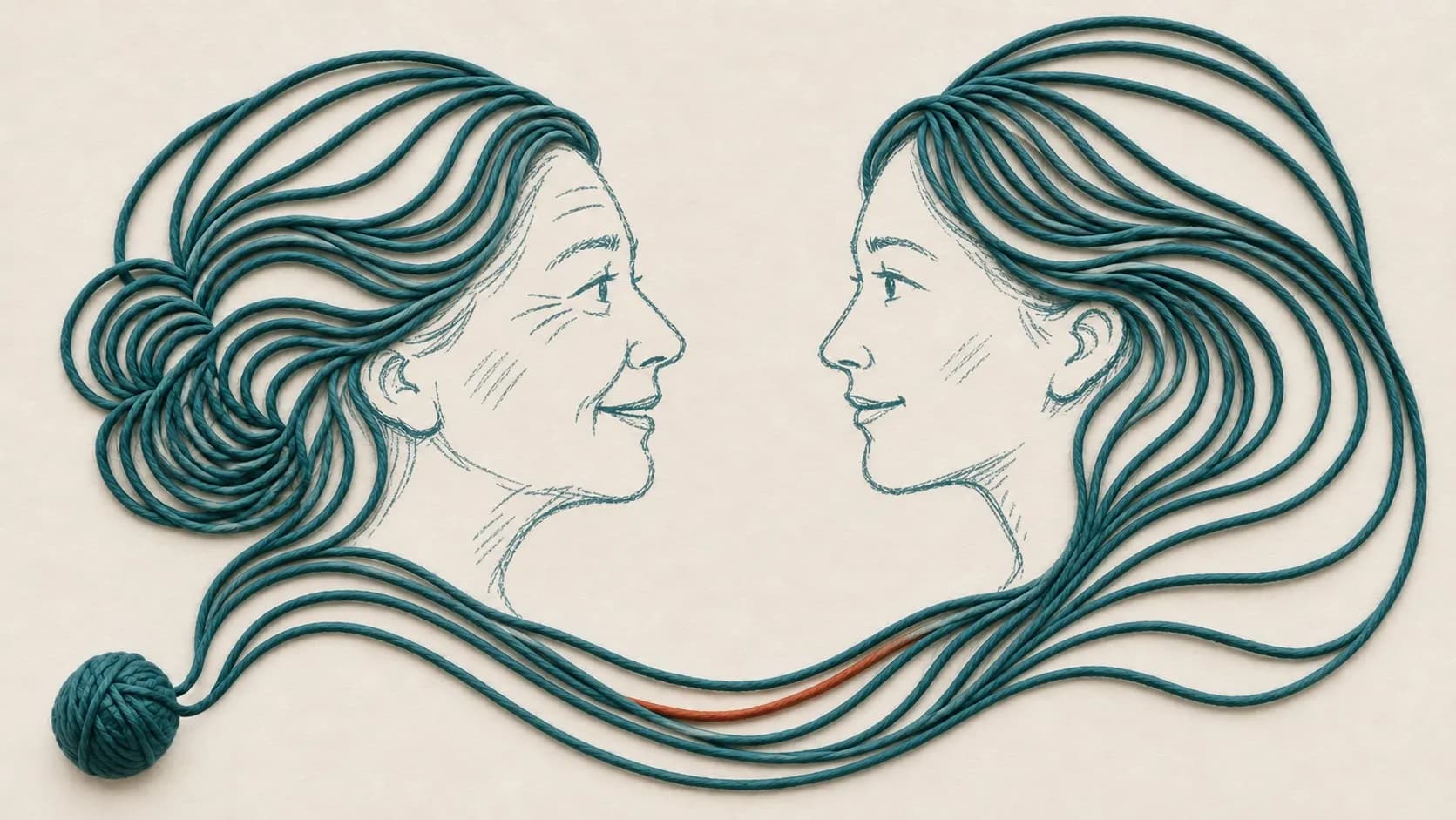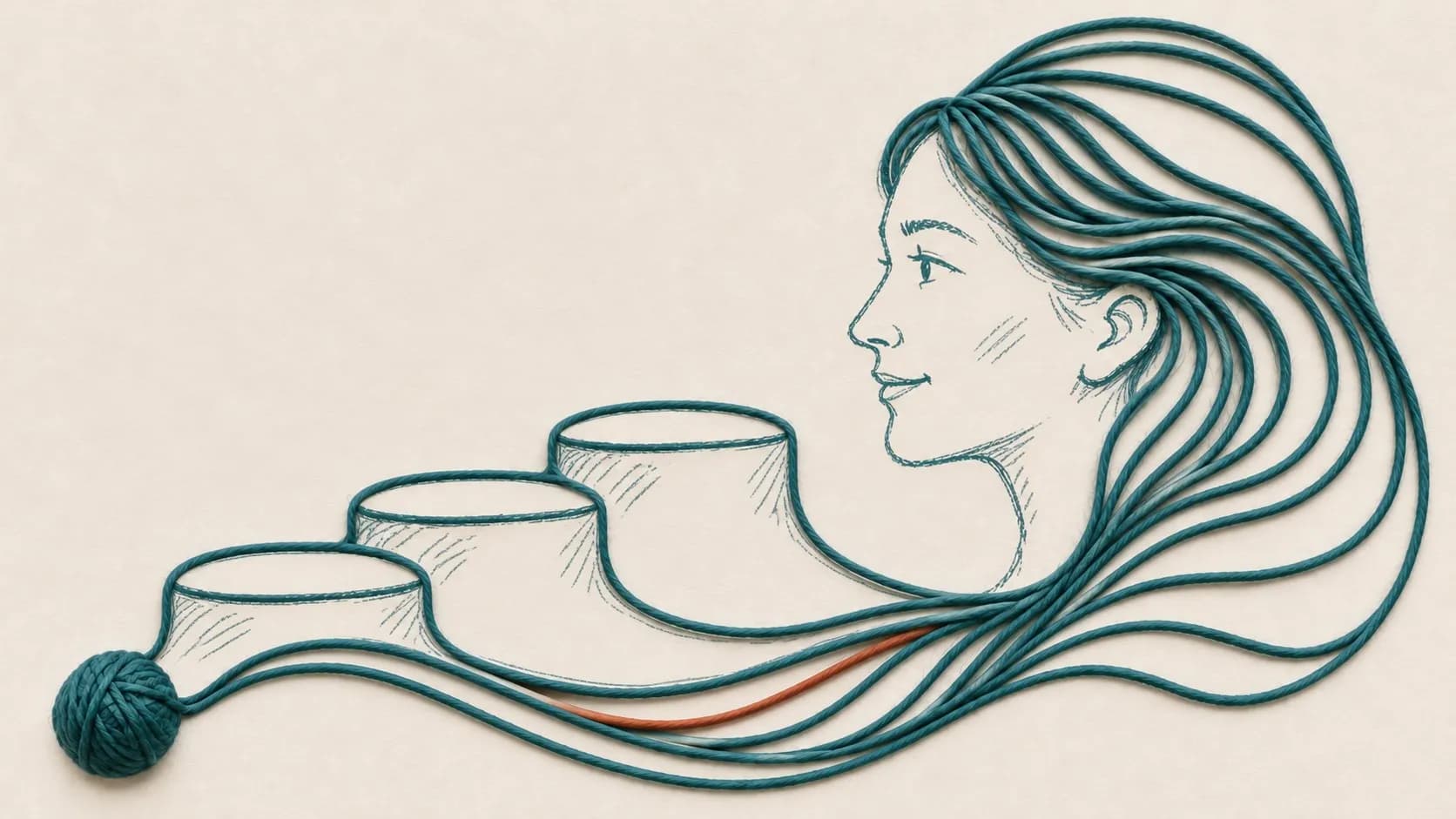
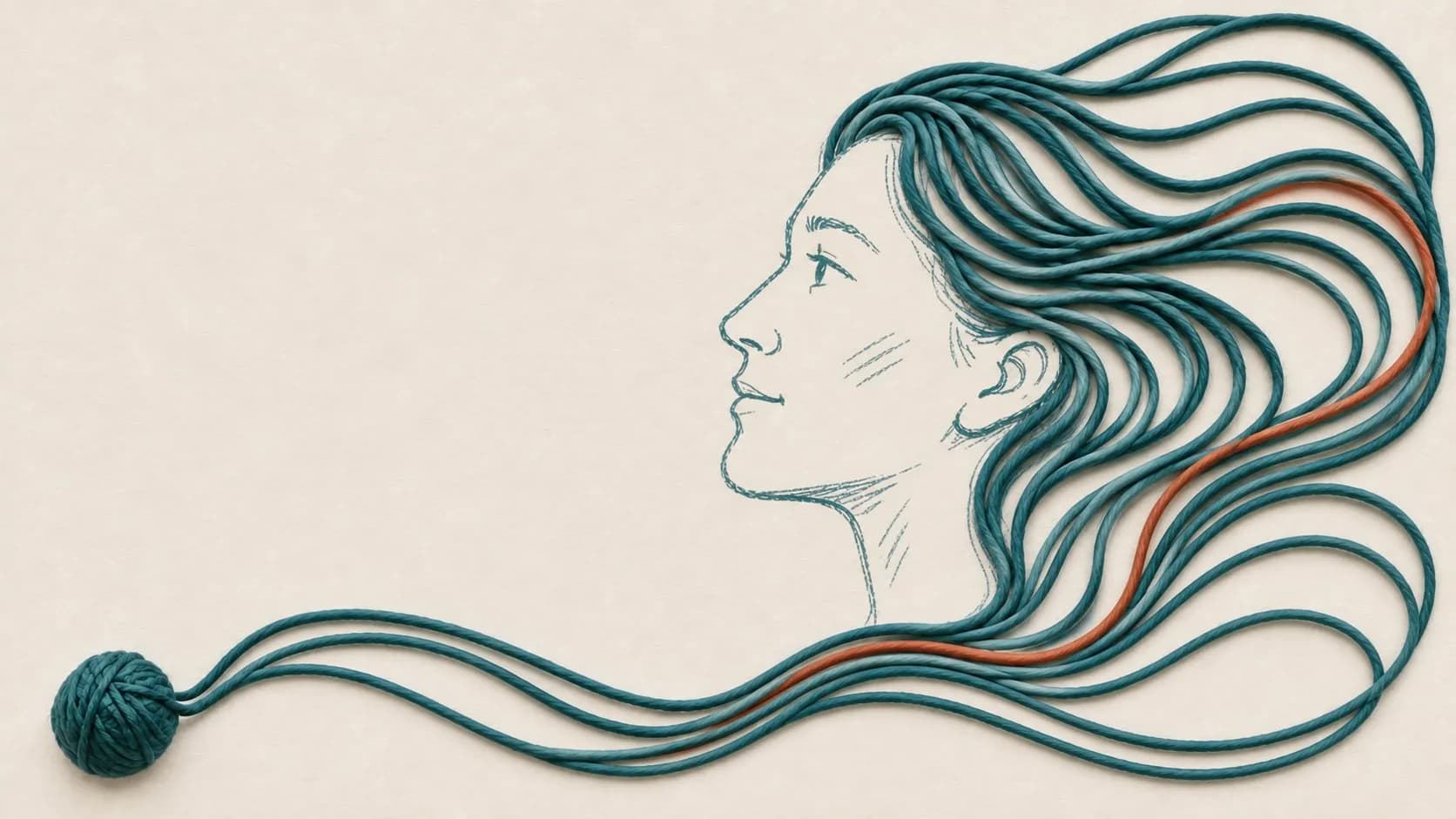
When most of us hear the word “depression”, we associate it with mood and emotions (sadness, a sense of hopelessness), with a state commonly described as “being in a slump”, or with an illness for which you can take medicines called “antidepressants”.
A diversity of experiences: how does depression affect our lives?
When we are “in a slump”, the world is grey, people seem indifferent and we don't feel like doing anything; some people feel a black night closing in on them. It is a very individual matter, because each of us is different, so each of us perceives and “grasps” the world, ourselves and life in our own way. What we have in common is that, regardless of gender, race or social status, we experience deep sadness and go through grief, anxiety and disappointment.
Risk factors: when does depression become a problem?
We usually link this to specific life situations (such as losing someone close to us), developmental crises (for example in adolescence or old age), and even to the weather and the seasons (“the autumn or winter blues”).
It is very human to experience the grey of sadness and the black of despair, but sometimes there are too many of these dark-coloured emotions, and this state lasts too long. Support from family and friends, favourite music or alcohol does not help, and the advice we hear — “pull yourself together”, “it will pass” — instead of comforting us makes us angry and want to hide under the duvet. On the other hand, we know that something can and should be done about this “slump”. More and more often, you hear that someone else has felt the same way and got help from a psychologist and/or a psychiatrist.
When to seek help: what are the warning signs?
Questions arise: is this the right moment for a specialist to step in? Should I wait a bit longer? Maybe it will pass? Maybe I can cope on my own? Is this already depression?
According to psychiatrists and psychologists, low mood becomes clinical (that is, it requires specific medical or psychological treatment) when:
- the suffering it causes becomes hard to bear,
- it makes it impossible to go to work or school, or to fulfil your social roles,
- it disrupts everyday activities,
- it interferes with relationships with other people,
- it threatens your health or life.
These are warning signs that may appear in ourselves, but we may also pick them up from the people around us: our loved ones, friends, acquaintances and colleagues. The first symptoms of depression may be noticed by a primary care (POZ) doctor when we describe even one of the symptoms listed above. They may recommend that we see a doctor specialising in psychiatry, or visit a psychological outpatient clinic or a crisis intervention centre.
A depressive episode is diagnosed by a psychiatrist, who takes a history and assesses the mental state of the person who has come for help. Referring to medical classifications (known as ICD-10), the psychiatrist takes the following symptoms into account:
- low mood (experiencing deep sadness, despair or a sense of emptiness),
- loss of interest and pleasure,
- reduced activity, apathy, getting tired more easily.
These symptoms must be present for most of the day, almost every day, for at least 2 weeks — this is the requirement for diagnosing a depressive episode. However, you do not need to wait two weeks before asking for help. Additional symptoms the doctor will ask you about during the appointment include:
- irrational feelings of guilt and self-reproach (“it's my fault that I'm like this”),
- recurring thoughts of giving up on life or of death (“everything is pointless, life isn't worth living”),
- suicidal behaviour,
- reduced ability to think or concentrate,
- sleep disturbances,
- changes in appetite.
If you are having suicidal thoughts, seek help urgently. If you or someone else is in danger, call 112.
The psychiatrist may ask a psychologist for help. Besides talking with the person, a psychologist can use a range of professional tests for assessing mood (such as the Beck Depression Inventory). When talking to people who may have depression, psychologists focus on how they see themselves and the world around them. A person with depression has low self-esteem (for example, “I'm no good at anything”) and judges themselves negatively (for example, “I can't enjoy anything”). There are visible problems with motivation to act, making decisions and solving problems.
Treatment: what are the therapeutic options?
Both the diagnosis and the treatment of depression are highly individual. The main forms of treatment are pharmacotherapy and psychotherapy. The first stage of treatment is, above all, psychoeducation. It helps to talk about what depression is, to ask questions and to listen.
“In therapy”, we can learn about the causes of our disorder and, above all, that it is not our fault. It may turn out that the factors behind depression are complex and “biopsychosocial” in nature. This means that one possible cause may be our biological and genetic make-up (for example, dysfunction of the neurotransmitter system, thyroid disorders, or depression in relatives).
Psychological and social factors are linked, for example, to losing a loved one or something we value, to stress, or to crises triggered by, for example, a physical illness. The process of “coming out of depression” involves both intervention at a biological level (treatment with antidepressants) and gaining knowledge and skills that help prevent further depressive episodes. We teach ourselves (and our brains) to notice other colours, to step out of grey and black into slightly friendlier shades (green? purple?).
Why shouldn't you wait to take action?
It is hard to say how long treatment will take, but it is important not to wait until we start to see the world in shades of black and our lives become unbearable. It seems that a lingering grey of sadness and joylessness in our lives is reason enough to try to get out of this uncomfortable state — and so to ask another person for help, and to look for someone we can trust.
Bibliography:
Cierpiałkowska, L., Sęk, H. (2016). Psychologia kliniczna [Clinical psychology]. Warsaw: PWN.
Morrison, J. (2016). DSM-5 bez tajemnic [Polish edition of DSM-5 Made Easy]. Kraków: Wydawnictwo UJ.