
Free of charge under a contract with the National Health Fund (NFZ)
Mental Health Centre
The centre was established as part of the project “Deinstitutionalisation as an opportunity for positive change – an integrated project. Wieliczka County”. It is a place where anyone who is experiencing or recovering from a mental health crisis, as well as their families and loved ones, can get help. Our team includes doctors, nurses, psychologists, psychotherapists and community therapists who are ready to support you.
Getting started
What a visit to the centre looks like
The first step
Above all, the process of getting help at our centre begins with you. Deciding to seek treatment matters for many reasons. The problems you or your loved ones are struggling with can affect every aspect of daily life, including work, family life and social relationships.
Deciding to seek psychiatric treatment can be difficult, especially for someone experiencing the difficulties that come with a mental health condition. Don't let the stigma around mental illness hold you back. Mental illness is an illness like any other. Deciding to seek treatment is a brave step towards better health.
Registration
You don't need to book an appointment or register in advance. You can visit during opening hours if you're concerned about your own mental health or that of someone close to you.
Both patients and their loved ones can get help from the specialists at our centre. You can contact us in many ways: in person, by email, through the contact form on this website or by phone. Our centre and branches are open every weekday during the hours published on the contact page.
Diagnosis
After talking with you and carrying out the necessary assessments, a specialist will prepare a personalised treatment plan tailored to your needs and the problems you are facing. If you need urgent help, within 72 hours of your first contact with the Registration and Coordination Point (PZK) we will agree a date for you to be seen and tell you where you will get care.
Your treatment plan may include regular consultations with a psychiatrist, individual or group therapy with a psychologist, day treatment, visits from a community nurse and support from a peer support worker who draws on their own experience of a mental health crisis to support people in similar situations and their loved ones.
Help
Medical care available at our centres
Depression treatment
Depression affects millions of people around the world. Are there proven, effective ways to treat it?
Managing stress
Stress is a common problem in modern society, but there are effective ways to treat it. What are they?
Psychological support
Psychological support can bring relief in difficult situations. Find out when it is worth seeking it.
Psychiatric treatment
Find out how psychiatric treatment can help you in everyday life.
Locations
Our locations
Day treatment unit
Sułków 112, 32-020 Wieliczka
- Helpline:505 006 665
Opening hours
- Mon–Fri 8:00–16:00
Reformacka Street branch
ul. Reformacka 25, 32-020 Wieliczka
- Helpline:505 006 665
Opening hours
- Mon–Fri 8:00–18:00
Night and weekend cover
- Mon–Fri 18:00–8:00 (overnight; after-hours support point at ul. Wincentego Pola 20A)
- Sat, Sun 24 hours (also on public holidays; after-hours support point at ul. Wincentego Pola 20A)
Wincentego Pola Street branch
ul. Wincentego Pola 20A, 32-020 Wieliczka
- Helpline:505 006 665
Opening hours
- Mon–Fri 8:00–18:00
Night and weekend cover
- Mon–Fri 18:00–8:00 (overnight)
- Sat, Sun 24 hours (also on public holidays)
About the centre
Leonardo da Vinci Mental Health Centre
The Leonardo da Vinci Mental Health Centre currently operates under a contract with the National Health Fund (NFZ).
The Mental Health Centre in Wieliczka was established through a partnership between Fundacja Wspierania Rozwoju Społecznego „Leonardo” (Leonardo Foundation for Social Development) and the da Vinci Medical Centre.
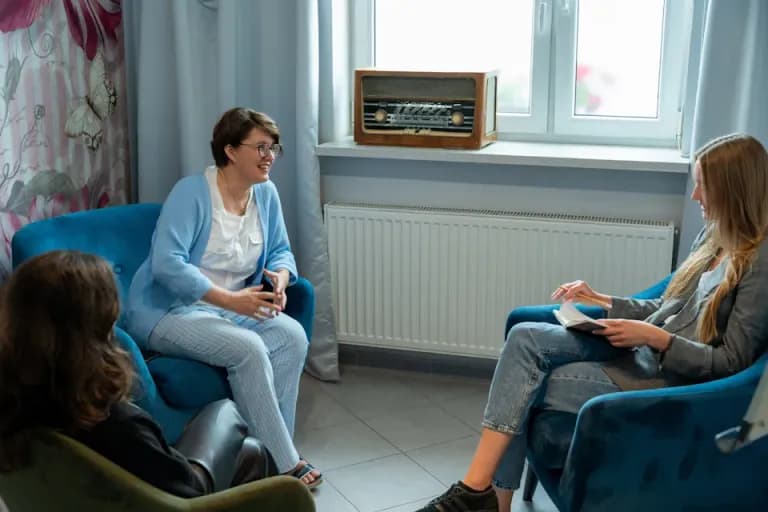
Team
Our specialists
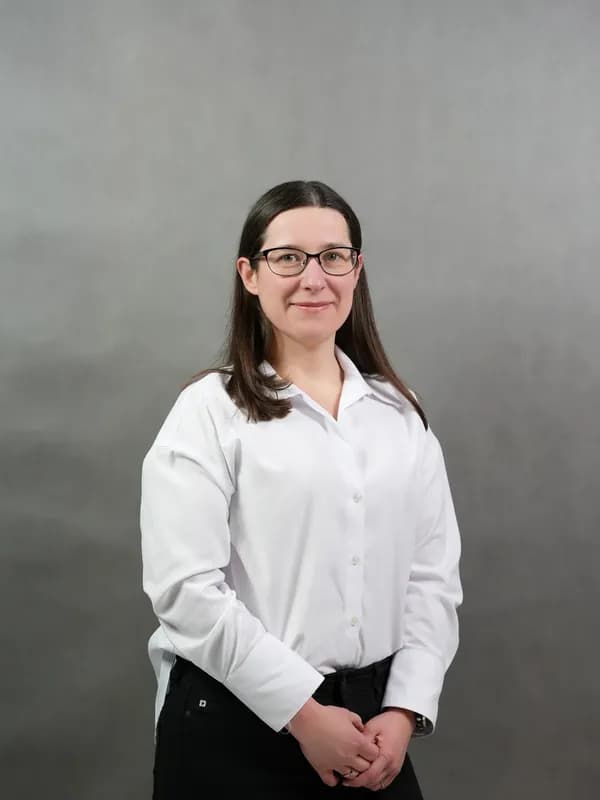
Psychologist
Agata Dudka
She graduated from the Jagiellonian University in Kraków, where she obtained a Master's degree in psychology and a Bachelor's degree in classical philology.
Psychiatrist
Agnieszka Basicz
She is a specialist psychiatrist who graduated from the Jagiellonian University Medical College in Kraków. She has worked on inpatient psychiatric wards and in mental health centres.
Psychologist, psychotherapist
Agnieszka Masternak de Sousa
She is a graduate of the five-year psychology programme at the Faculty of Philosophy of the Jagiellonian University and of the comprehensive four-year psychotherapy course run by the Personality Disorders and Neuroses Treatment Ward of the Dr Józef Babiński Clinical Hospital in Kraków.
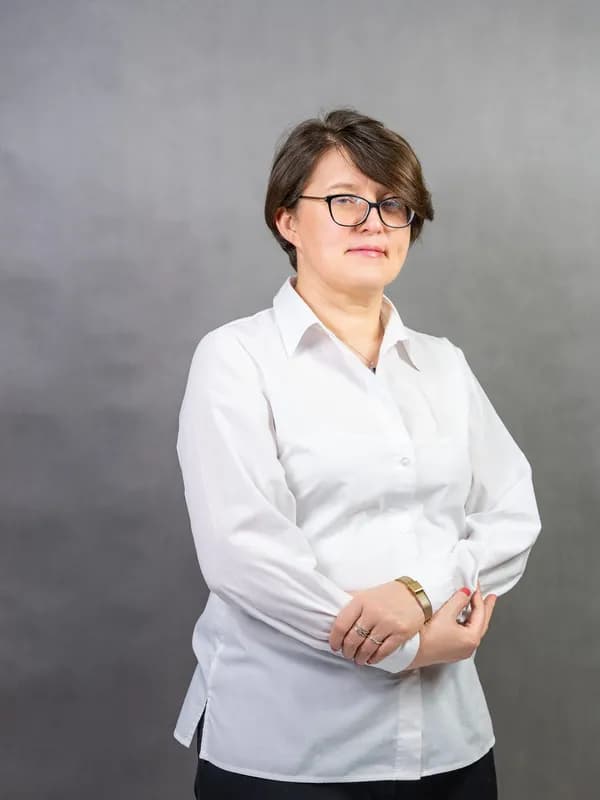
Community therapist
Agnieszka Moskal
She is a graduate of the Faculty of Education at Kielce Higher School of Education (now Jan Kochanowski University of Kielce), where she specialised in care and education pedagogy and in educational therapy.

Psychologist
Aleksander Ostrowski
I am a graduate in applied psychology from the Jagiellonian University. As part of my degree, I completed a track focused on psychological support and behavioural disorders.
Medical receptionist
Anna Bronikowska
Reliable, competent and conscientious, she enjoys working with patients.
News
Centre news

The impact of social media on mental wellbeing: how to strike a balance
How is our use of the internet linked to attention, comparing ourselves with others and relationships? This article looks at both the risks and the opportunities of social media. It discusses choosing content consciously, managing your time and keeping room for contact away from the screen.
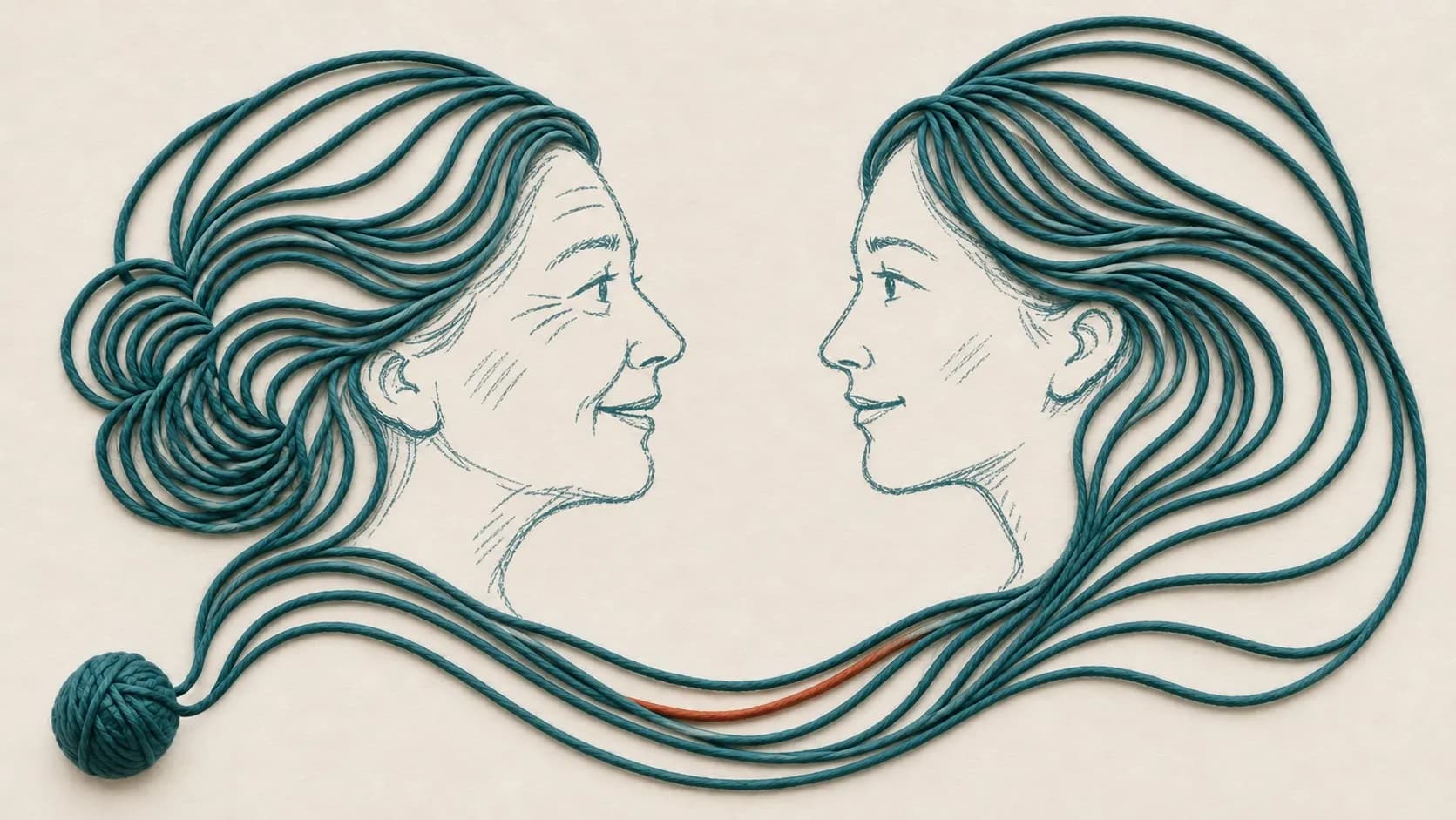
How to support older people
The perspective of a doctor and a daughter caring for her parents. The article describes the everyday needs of older people and the importance of conversation, independence and relationships. It also highlights the patience carers need and the value of seeking support with caring responsibilities.

How can you strengthen your mental resilience? Ways to build resilience
Resilience as a skill that develops as we face life's challenges. The author looks at relationships, change, recognising your needs and achieving goals. She encourages you to stay mindfully in touch with yourself and to build your own ways of coping with difficulties.