
Free of charge under a contract with the National Health Fund (NFZ)
Managing stress
Stress is a common problem in modern society, but there are effective ways to treat it. What are they?
Every story has a beginning.
- 01 Mindful presence
- 02 Room for emotions
- 03 Your own pace
01 — In this text
What is stress?
Stress is one of the biggest challenges people face today. Long-term stress can affect physical and mental health and make existing health problems worse. That is why it is so important to know effective ways of treating and coping with stress.
Stress is the body's response to situations that require change or adaptation. In the short term, stress can be beneficial, because it helps the body to mobilise its resources and focus attention. However, when stress becomes chronic, it can have negative effects on health.
Long-term stress can affect the nervous, hormonal and immune systems. It can contribute to anxiety, depression and sleep problems, and make existing health problems worse.
Types of stress
Stress can take different forms. The most common types of stress are:
- Positive stress — occurs in response to positive events, such as a promotion or a holiday, which require adaptation and change.
- Negative stress — occurs in response to negative events, such as financial difficulties or divorce.
- Chronic stress — occurs in situations where stress continues for a long time, such as problems at work or difficulties in the family.
- Traumatic stress — occurs in response to traumatic events, such as car accidents or terrorist attacks.
Positive stress
Positive stress, also known as eustress, is a type of stress that can occur in response to positive events or challenges that require us to adapt and change. Unlike negative stress, which can be harmful to health and wellbeing, positive stress can bring benefits and have positive effects on our lives.
Positive stress can arise in various situations, such as a promotion at work, going on a dream holiday, learning new skills or making new friends. All these situations require us to change and adapt. However, unlike negative stress, positive stress is short-lived and usually ends once we achieve our goal or get used to the new situation.
Benefits of positive stress
Positive stress can bring many benefits and positive effects for our health and wellbeing. It can energise us and motivate us to act, improve our performance and creativity, and help us build psychological resilience. When we feel stressed, our body releases hormones such as adrenaline and cortisol, which boost our energy and spur us into action. Positive stress can increase our motivation and improve our performance, as well as help us take risks and achieve our goals.
Negative effects of positive stress
However, positive stress can also have negative effects, especially if it is too intense or lasts too long. It can cause sleep problems, hyperactivity and overexcitement, and lead to muscle tension and headaches. That is why it is important to keep your stress levels under control and not to overload your body.
In summary, positive stress is the body's natural response to positive events or challenges. It can bring many benefits for our health and wellbeing, provided that it is kept under control and we deal with it in the right way. It is important to avoid overloading ourselves, to set realistic goals, and to use relaxation techniques and talk to loved ones or specialists when we need support.
Negative stress
Negative stress, also called harmful or pathological stress, is a state in which the level of stress is too high or lasts too long, and the body is unable to cope with it. It can lead to a range of physical, mental and social problems, and even to serious illnesses.
Negative stress can have various causes, such as problems at work, relationships with other people, illness, financial difficulties or life crises.
Symptoms of negative stress
The symptoms of negative stress can vary and include a constant feeling of tension, nervousness, edginess, lack of energy, difficulty concentrating, sleep disturbances, digestive problems and a weakened immune system, as well as emotional problems such as depression, anxiety and irritability.
Effects of long-term negative stress
Long-term negative stress is particularly harmful to health. It can make existing health problems worse and contribute to mental disorders such as depression or anxiety disorders.
If the symptoms of negative stress persist for a long time or are particularly severe, consult a doctor or a psychologist without delay. They can help diagnose and treat the illness, and teach you effective techniques for coping with stress and improving your quality of life.
Chronic stress
Chronic stress is a state in which the body is exposed to high levels of stress over a long period. This can affect physical and mental health, relationships and everyday functioning, and make existing health problems worse.
Symptoms of chronic stress
Symptoms of chronic stress include muscle tension, sleep disturbances, difficulty concentrating, digestive problems, reduced performance and problems functioning in everyday life. To cope with chronic stress, it is important to find the source of the stress and take steps to reduce its impact on our lives.
Traumatic stress
Traumatic stress is a type of reaction to extreme events such as war, natural disasters, violence or accidents. It shows itself in strong emotions that are difficult to control and a general sense of distress. It has a negative effect on a person's mental and physical health, as well as on their everyday life.
It can often show itself in recurring, distressing thoughts about what happened, a sense of threat, fear about the future, difficulty concentrating, a heightened state of arousal, as well as sleep problems or apathy.
Supporting people who are experiencing traumatic stress is an important role for society. Forms of help include organising group support, training for emergency services staff and educational campaigns about traumatic stress and ways of counteracting it.
How is stress treated?
The treatment of stress depends on its type and severity, as well as on the patient's individual needs and preferences. With mild symptoms of stress that pass, a few simple steps may be enough, such as reducing stressors, strengthening social support, relaxation or physical exercise.
With more severe symptoms, and especially with traumatic stress, help from a specialist may be necessary. Treatment may include pharmacotherapy, psychotherapy and various behavioural interventions, such as stress management skills training or relaxation techniques.
Medication for related symptoms
The doctor decides on medication depending on the diagnosis. In pharmacotherapy, anti-anxiety medicines (anxiolytics) are used to reduce symptoms of anxiety and tension, together with antidepressants, which help to treat the depressive symptoms that often occur with stress.
Psychotherapy for stress
Psychotherapy can involve different approaches, such as cognitive behavioural, psychodynamic or humanistic therapy. Its aim is to help you cope with stress by understanding yourself, your thoughts and your emotions better, and by developing skills for dealing with difficult situations.
Behavioural interventions use various relaxation techniques, such as yoga, meditation or breathing exercises, as well as stress management skills training, which aims to improve strategies for coping with difficult situations and to reduce stress.
Ways to reduce stress
Reducing stress can help improve your quality of life, increase your energy levels and reduce the risk of illness. In addition, reducing stress can help you be more effective at work, improve your relationships with other people and help you achieve your goals.
There are many ways to reduce stress that you can use in everyday life:
- Physical activity — one of the most important ways of treating stress is physical activity. Exercise not only helps to fight the symptoms of stress but also helps to reduce its causes. Exercise can also help release endorphins, the “happy hormones”, which lower stress levels and improve wellbeing.
- Meditation — another way of treating stress is meditation. Meditation is a technique that helps to quieten the mind and relax. Practising meditation can help lower levels of cortisol, the stress hormone, which can reduce symptoms of stress such as headaches, insomnia and digestive problems.
- A positive attitude — one of the most effective ways of coping with stress is a positive attitude. It is worth focusing on the positive aspects of life and concentrating on solutions rather than problems. A positive attitude can help reduce stress levels, improve wellbeing and increase your sense of control over the situation.
- Relaxation techniques — another way of treating stress is relaxation. Relaxation is a technique that helps to calm the mind and body by focusing on the breath and other physiological aspects, such as muscle tension.
- Diet — an appropriate diet is an important part of treating stress. Unfortunately, stress often leads to unhealthy eating habits, such as consuming a lot of fast food, sweets and caffeine. That is why it is worth focusing on a diet rich in fresh fruit, vegetables, wholegrain cereal products, nuts, seeds and healthy fats.
Do you need help?
If you have found your way to our website, you may be someone who needs help. Every day, our experienced specialists help dozens of patients. If you suspect you may have problems controlling stress, don't put off seeing a specialist. Untreated stress can lead to depression and anxiety. It can also weaken the immune system, which increases the risk of immune-related illnesses.
In addition, long-term stress can affect physical health, for example sleep and digestion, and make existing health problems worse. It can also affect our relationships with other people, as well as our productivity at work or school.
02 — First appointment
Starting doesn’t
have to be perfect.
You don’t need a ready-made story. You can start with a single sentence. Or with: “I don’t know where to start”.
The first step
Above all, the process of getting help at our centre begins with you. Deciding to seek treatment matters for many reasons. The problems you or your loved ones are struggling with can affect every aspect of daily life, including work, family life and social relationships.
Registration
You don't need to book an appointment or register in advance. You can visit during opening hours if you're concerned about your own mental health or that of someone close to you.
Diagnosis
After talking with you and carrying out the necessary assessments, a specialist will prepare a personalised treatment plan tailored to your needs and the problems you are facing. If you need urgent help, within 72 hours of your first contact with the Registration and Coordination Point (PZK) we will agree a date for you to be seen and tell you where you will get care.
You can ask how appointments work and which forms of support are available before your treatment starts. We describe the whole process on the How we help page.
A little room for what matters
“Not everything has to
be put into words.
We can start from there.”
One conversation. Your first thread.
03 — Team
Who you’ll meet.
Psychologist, psychotherapist
Dawid Bloch
I am a psychologist and a qualified psychodynamic psychotherapist. I completed comprehensive four-year psychotherapy training at Krakowskie Centrum Psychodynamiczne (Kraków Psychodynamic Centre). I studied applied psychology and completed teacher training at the Jagiellonian University.
Psychologist
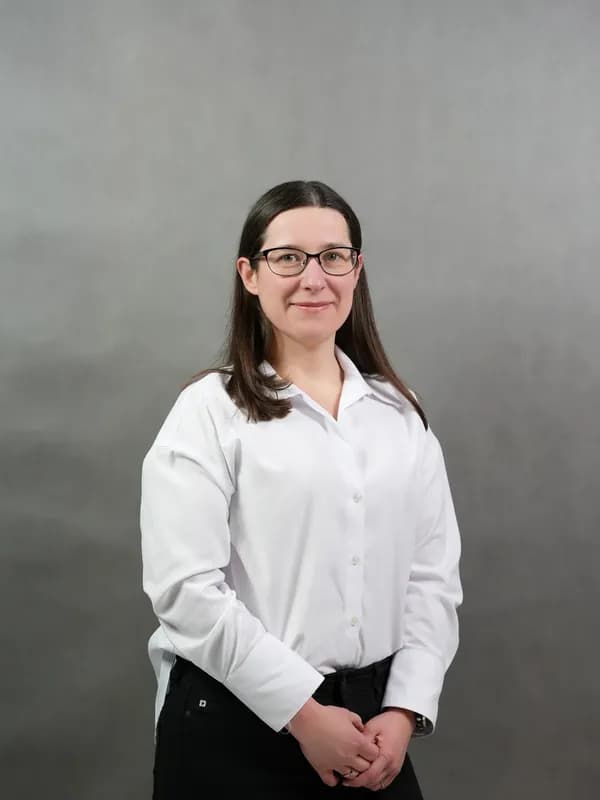
Agata Dudka
She graduated from the Jagiellonian University in Kraków, where she obtained a Master's degree in psychology and a Bachelor's degree in classical philology.
Psychologist
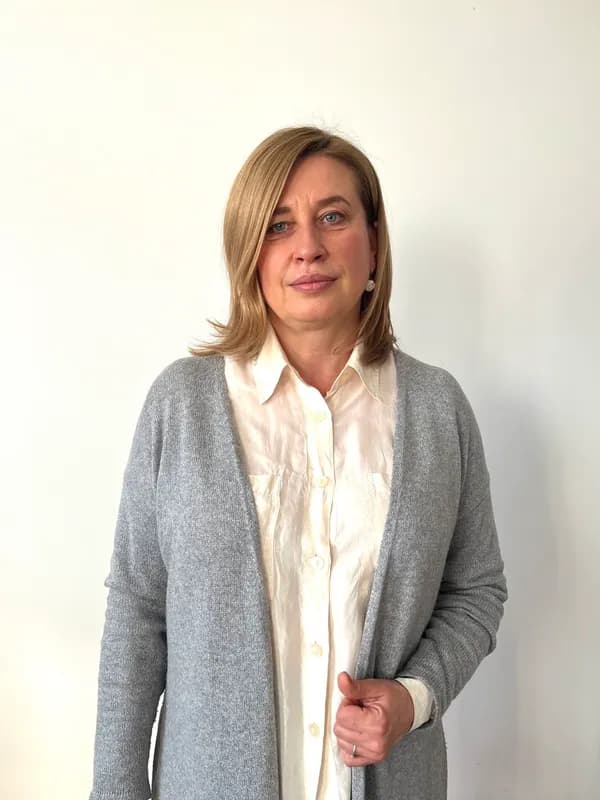
Marta Dwojak
She graduated in psychology from the Jagiellonian University in Kraków. She gained professional experience working with older people, people with chronic illnesses and people with disabilities in residential social welfare facilities.
Psychologist
Sebastian Dziułka
I completed a Master's degree in psychology, specialising in clinical and forensic psychology, at Andrzej Frycz Modrzewski Krakow University.
Psychologist
Karolina Flaszczyńska
I graduated in general psychology from the Faculty of Philosophy of the Jagiellonian University in Kraków.
Psychologist and psychotherapist
Paulina Gawłowicz-Twardowska
My name is Paulina Gawłowicz-Twardowska. I am a psychologist undertaking a comprehensive training programme in cognitive behavioural psychotherapy, accredited by the Polish Association for Cognitive and Behavioural Therapy, at Instytut Poznawczy in Kraków.
04 — Your questions
It’s natural
to want to know.
A first appointment can feel new. A few answers may help you feel more at ease with this beginning.
All questions and answersWhat kind of help does a mental health centre offer?
At the Mental Health Centre, you can get specialist help from:
- a psychiatrist
- a psychiatric nurse
- a psychologist
- a psychotherapist
- a community therapist
- a peer support worker
Importantly, the help we provide is completely free of charge.
Who can get help at mental health centres?
The Mental Health Centre offers help to adults who are struggling with mental disorders. All family members, loved ones and friends of people who need support can also get help from the centre. If you have any questions or concerns, you can always contact our centre.
Please note, however, that the centre does not provide healthcare services to children and young people under 18, to people whose main problem is addiction, or to patients who have been placed in psychiatric detention. People with an addiction can get help from an addiction treatment clinic. You can find clinics in Wieliczka and Kraków that offer treatment funded by the National Health Fund (NFZ) using the NFZ clinic finder (in Polish).
That said, people who have been discharged from hospital and need support in their recovery can also use the centre's services.
How should I prepare for a visit to a mental health centre?
When you come to a mental health centre, remember to bring any records of your treatment history. Hospital discharge letters from previous stays, test results, prescriptions and information about the medicines you take are all important. This gives the centre's staff a better picture of your medical situation, so they can tailor their help to your needs. It is also a good idea to bring an identity document to your visit, to make registration and getting help easier.
Does the Mental Health Centre (CZP) work with other support organisations?
Yes. We work with a network of social welfare institutions that offer support in many areas of life, including mental health. They include social welfare centres, municipal social welfare centres, county family support centres, residential care homes and crisis intervention centres. These institutions help people in need, including in crisis situations related to mental disorders.
Institutions we work with in Wieliczka County:
- Miejsko-Gminny Ośrodek Pomocy Społecznej w Wieliczce (municipal social welfare centre) https://mgopswieliczka.pl/
- Miejsko-Gminny Ośrodek Pomocy Społecznej w Niepołomicach (municipal social welfare centre) https://niepolomice.naszops.pl/
- Gminny Ośrodek Pomocy Społecznej w Biskupicach z siedzibą w Trąbkach (municipal social welfare centre) https://biskupice.pl/102/70/gminny-osrodek-pomocy-spolecznej-w-biskupicach-z-siedziba-w-trabkach.html
- Gminny Ośrodek Pomocy Społecznej w Gdowie (municipal social welfare centre) https://www.gdow.pl/mieszkaniec/pomoc-spoleczna/gminny-osrodek-pomocy-spolecznej
- Gminny Ośrodek Pomocy Społecznej w Kłaju (municipal social welfare centre) https://gopsklaj.pl/
- ŚDS Tomaszkowice 455, 32-020 Wieliczka (community self-help centre) http://www.sdstomaszkowice.pl/kontakt
- ŚDS Zagórzany (community self-help centre) http://www.sdszagorzany.pl/
- ŚDS Wieliczka (community self-help centre) http://fundacja-leonardo.pl/srodowiskowy-dom-samopomocy-wieliczka/
- ŚDS Brzezie (community self-help centre) https://www.facebook.com/sdsbrzezie/?locale=pl_PL
- ŚDS Śledziejowice (community self-help centre) https://sledziejowice.pl/?page_id=141
- Warsztaty Terapii Zajęciowej w Podolanach (occupational therapy workshops) https://www.fonpodolany.pl/warsztaty-terapii-zajeciowej/
- Warsztaty Terapii Zajęciowej w Śledziejowicach (occupational therapy workshops) https://sledziejowice.pl/?page_id=141
- Dom Pomocy Społecznej Sułków (residential care home)
- Dom Pomocy Społecznej Śledziejowice (residential care home) https://www.larche.org.pl/sledziejowice/
- Dom Pomocy Społecznej Caritas Archidiecezji Krakowskiej Biskupice (residential care home) https://biskupice.krakowcaritas.pl/
- Dom Pomocy Społecznej „Miłosierny Samarytanin” Grabie (residential care home) https://gaudiumetspes.pl/dps-grabie/
- Dom Pomocy Społecznej Staniątki (residential care home) https://pomocblizniemu.org/dom-pomocy-spolecznej/
- Dom Pobytu Dziennego Klub Retro Staniątki (day care centre) https://pomocblizniemu.org/
- Dom Pomocy Społecznej Zapiecek w Zabierzowie Bocheńskim (residential care home) https://www.zapiecek.biz/
- Powiatowe Centrum Pomocy Rodzinie w Wieliczce (county family support centre) https://pcpr-wieliczka.pl/
- Powiatowy Urząd Pracy w Wieliczce (county labour office) https://wieliczka.praca.gov.pl/
- Fundacja L'Arche (L'Arche Foundation) https://www.larche.org.pl/sledziejowice/
- Fundacja Osób Niepełnosprawnych w Podolanach (foundation for people with disabilities) https://www.fonpodolany.pl/
- Fundacja Rozwoju Przedsiębiorczości i Inicjatyw Społecznych Proelio (Proelio Foundation for the Development of Entrepreneurship and Social Initiatives)
- Caritas Archidiecezji Krakowskiej, Punkt Socjalny im. bł. Edmunda Bojanowskiego (Caritas of the Archdiocese of Kraków, Blessed Edmund Bojanowski Social Assistance Point) https://krakowcaritas.pl/placowki.php/placowka/38
- Stowarzyszenie Pomoc Bliźniemu Staniątki (Help Your Neighbour Association) https://pomocblizniemu.org/
- Dom Pomocy Społecznej w Bochni (residential care home) https://dpsbochnia.pl/
Help
Other services
Depression treatment
Depression affects millions of people around the world. Are there proven, effective ways to treat it?
Psychological support
Psychological support can bring relief in difficult situations. Find out when it is worth seeking it.
Psychiatric treatment
Find out how psychiatric treatment can help you in everyday life.
05 — First contact
You can start
with one question.
You don’t have to tell your whole story to ask about a first appointment.
Free of charge under a contract with the National Health Fund (NFZ)