I venture to write this article as a doctor with 34 years of experience and as a daughter caring for my parents: my 90-year-old father and my 88-year-old mother.
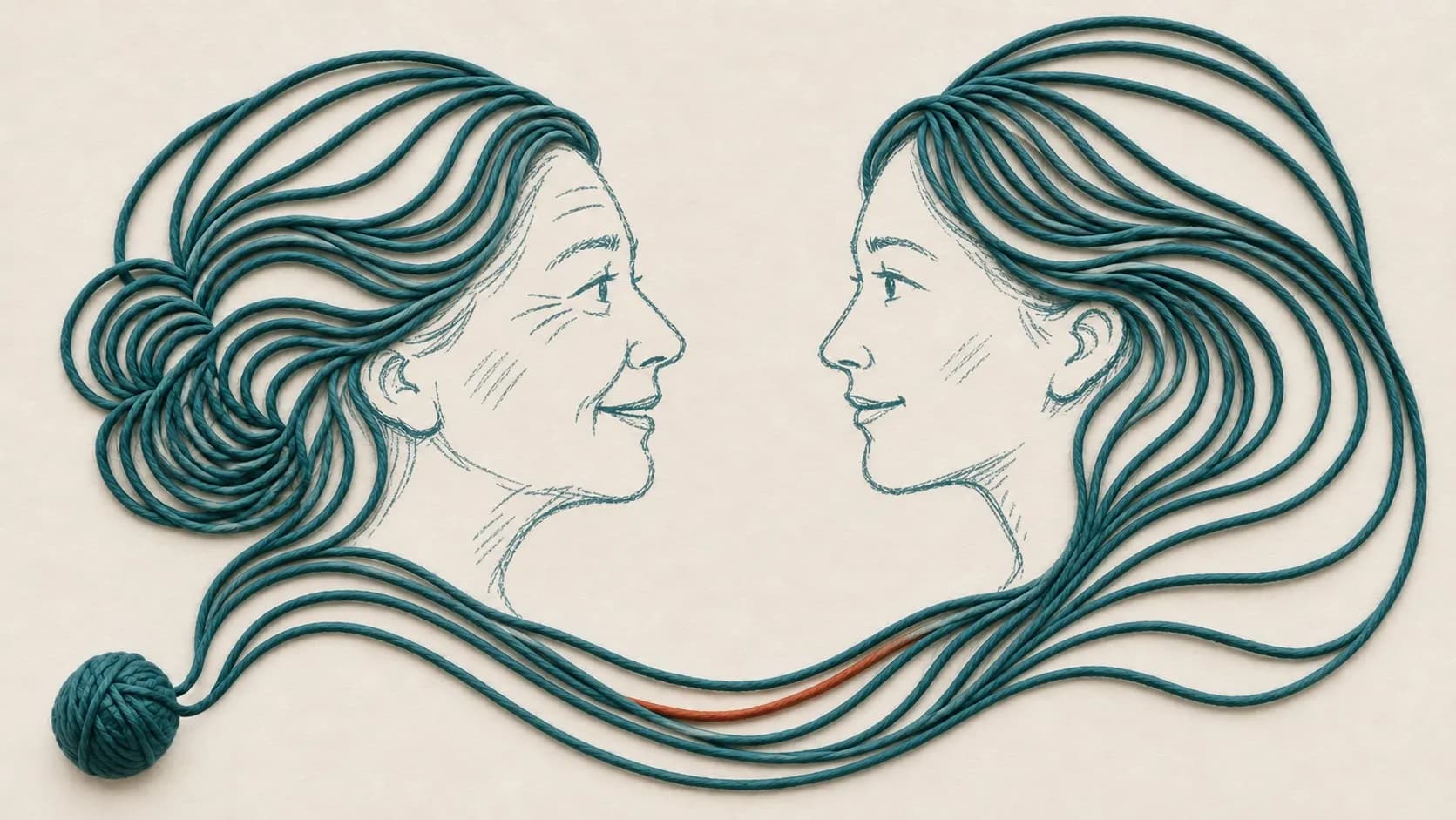
The time when our parents grow old is a critical moment both for them and for those who care for them. It is our last chance to spend time with our parents and to resolve crises from earlier stages of our development.
In my next article, I will look at the problems faced by carers — the ageing children. For now, I want to focus on the needs of elderly people. I draw on my parents' reflections and on my own experience as a professional and a carer.
Maintaining physical fitness
- Everyday activities — washing and getting ready in the morning, preparing meals, shopping — help older people stay physically fit, independent and self-reliant.
- It is important to adapt the flat and the bathroom to what older people can manage (for example, grab rails in the bathroom), get rid of rugs and runners on the floors, and put small stools on the half-landings so that they can rest on the way up to the flat.
- Encourage daily walks to familiar places not far from home. Encourage walking, and practising walking backwards, even if their joints hurt.
- It is important to use a rucksack to carry shopping, as shopping trolleys force the body to twist and put strain on one side of the hips.
- It is important to limit time spent sitting (for example, in front of the television). If they sit for long periods, persuade them to use a footstool to prevent blood from pooling in the veins. A seat that keeps the hips at a right angle is advisable.
Maintaining a suitable diet
- It is advisable to divide meals into smaller portions.
- Sticking to a light, easily digestible diet.
- Making sure they drink enough fluids is essential — older people do not drink because they do not feel thirsty, and when their sodium levels drop, they even feel reluctant to drink.
- It is important to have their sodium and potassium levels and kidney function tested. You can offer juices and soups, or add fruit juice (orange, raspberry) or ginger to water to make drinks appealing and tasty.
- An older person should drink about 2 litres of fluid a day, unless a doctor advises otherwise (for example, with heart or kidney disease).
Mental wellbeing
- Talk to them and ask for their opinions — after all, the wisdom of older people was once the wisdom of generations.
- The longer an older person keeps reading and spending active time among younger people, the more flexible their mind stays.
- There are many exercises that improve cognitive function (for example, recalling old proverbs, the words of patriotic songs, or facts about geography and nature, or thinking of names of different things beginning with a given letter, as in the old game of countries and cities, similar to Name, Place, Animal, Thing).
- Help them keep in touch with family, and invite friends round.
- Don't give up visiting museums and exhibitions or going to the theatre — being shut away at home speeds up the development of dementia.
Visits to the doctor
- It helps when a loved one is present during conversations with the doctor and shares their own observations.
- Try to encourage them to take their medication regularly. If they have questions about a leaflet, side effects or supplements, help them talk to their doctor or pharmacist.
- You often have to persuade them again and again to have certain tests or take certain medicines, explain things and be patient.
- Encourage them to take their medicines as prescribed by their doctor.
- Any infection affects the patient's mental sharpness and level of functioning.
- Don't forget regular blood tests — a full blood count, electrolyte, glucose, creatinine and uric acid levels, liver function and thyroid hormone levels are all important.
- Keep one notebook in which appointments with all their doctors are written down.
- It is important to use pill organisers (dosette boxes) — some available on the market open at the scheduled times for taking medication.
Keeping the home safe
- Removing gas cookers from the flat and gas water heaters from the bathroom.
The carer
- Patience is needed.
- Never say “I've already told you” or “you don't remember”.
- An older person asks because they don't remember, and you need to remind them several times — they are not doing it to annoy you.
- There should be calendars and clocks in every room to help the older person keep track of the date and time.
- Putting up photographs of loved ones, children and grandchildren helps them remember.
- Talk about the past and ask about the family, because before long you will no longer be able to learn these things.
- Look after your parents' personal hygiene; sometimes massaging their back and limbs in the bath will improve circulation and, with it, their physical fitness and your emotional connection with them.
- Make sure they are dressed appropriately — older people feel the cold more quickly.
- Look after yourself, find other people who can help you with caring, and don't be afraid to ask for help.
In my next article, I will discuss the situation of an older person who is bedridden. I also want to discuss the emotional state of carers.
The author is:
Marta Cichońska, specialist psychiatrist and medical director at the Leonardo da Vinci Mental Health Centre in Wieliczka