
As part of its work, the Mental Health Centre offers a wide range of services related to the treatment and therapy of patients with various mental disorders, including services provided by peer support workers.
Peer support workers in mental health centres: who are they?
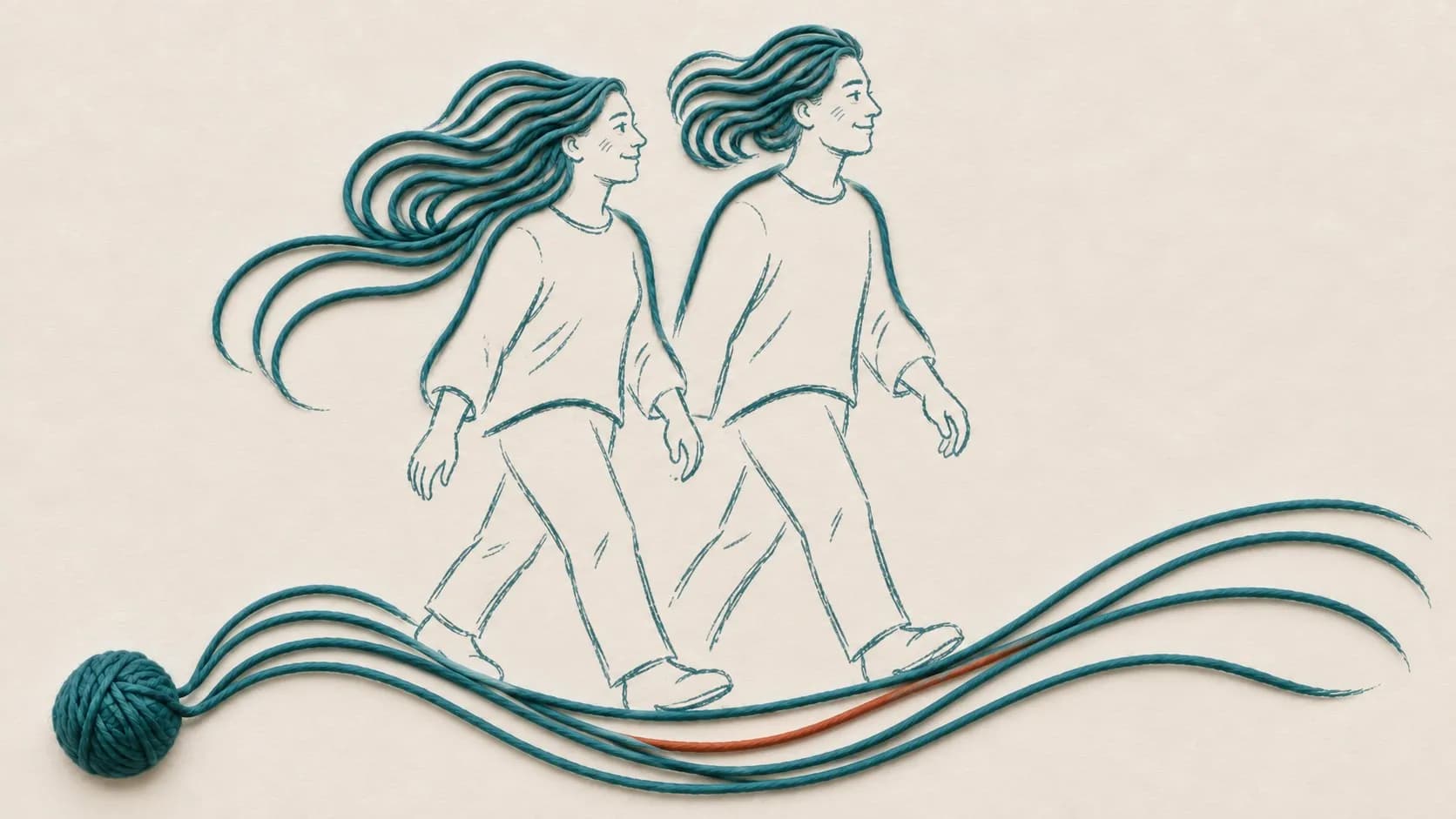
Peer support workers draw on their own experience of a mental health crisis and of recovery. They listen, share practical ways of coping and support people in working towards their recovery goals. They work together with the Centre's team. They are key people in the care of patients with mental disorders and play an important role in their recovery.
A peer support worker is not a doctor, but they have unique experience of coping with a mental health crisis. They are usually someone who was once a patient themselves and has been through extreme situations in life from which they managed to get back on their feet. Although they still live with their illness, thanks to medication, therapy, looking after their daily routine and the ability to read their body's signals, they are able to function in society.
Tasks of a peer support worker in mental health centres
The tasks of a peer support worker in mental health centres include, among other things, supporting patients in their recovery and accompanying them as they follow their individual recovery plans. A peer support worker may also help patients to organise their time, plan their daily activities and carry out tasks related to their therapy. In addition, a peer support worker works with a multidisciplinary care team and takes part in community activities, team meetings and supervision.
The knowledge and experience of a peer support worker are very valuable and complement doctors' professional recommendations. The peer support worker offers patients empathetic support and is a guide through the everyday life they are rebuilding. They are often the only person around who listens, takes an interest and is close by. They help patients organise their time and support them in working towards their recovery goals.
Requirements and qualifications for peer support workers in mental health centres
To work as a peer support worker in a mental health centre, you should have the appropriate qualifications. You need a peer support worker certificate. In addition, experience of working with patients with mental disorders is also required in some cases.
A peer support worker should have a high level of empathy and good communication skills in order to support and help patients effectively in difficult situations. They should be able to respond appropriately to different situations, be flexible and be able to make decisions quickly.
Skills of a peer support worker in mental health centres
A peer support worker in a mental health centre should have certain interpersonal and organisational skills. They must be able to build rapport with patients, show empathy and understanding, and be patient and able to listen. In addition, an assistant should be organised, able to plan their time and able to work in a team.
A peer support worker in a mental health centre is a key person in the care of patients with mental disorders. Their role is to support patients in their recovery, help them organise their time and work with the Centre's team. To work as a peer support worker in a mental health centre, you need a peer support worker certificate as well as interpersonal and organisational skills. Thanks to the work of peer support workers, patients with mental disorders can count on professional care and support that enable them to recover and return to normal functioning.
Summary
Mental Health Centres, where specialists from various fields work, play an important role in providing proper care and help for patients with mental disorders. Peer support workers are an essential part of the team and play an important role in the day-to-day care of patients. In today's world, where more and more people are struggling with mental health problems, the role of the peer support worker in mental health centres is becoming ever more crucial. Thanks to their work, patients have a chance to improve their health and return to normal life.