Monika Biegun-Juszkiewicz: We know that there are certain disorders (lipid disorders, diabetes) in which so-called lifestyle modification, that is, a properly balanced diet and physical activity, is a standard part of treatment alongside pharmacotherapy. What about depression? Do we have any scientific studies describing the relationship between diet and the risk of developing depression?
Dominika Wnęk: Yes, in recent years numerous publications have analysed the effect of diet on mental disorders, including depression. Although there are still many unknowns, we can already point to elements of diet that may help both to prevent depression and to ease its course.
The studies I am referring to were carried out in different populations. They involved people living in Europe, Australia and China. These studies showed that people who eat large amounts of vegetables and fruit, wholegrain cereal products and fish have a lower risk of developing depression. We can also point to elements of diet that are unfavourable when it comes to the onset of this illness.
Another very important finding is that the effect of diet is independent of other factors, such as the participants' physical activity, financial circumstances or family situation.
MBJ: So is there a recommended dietary pattern for depression?
DW: At present, most of the scientific evidence suggests that the Mediterranean diet is beneficial both for preventing depression and for easing its course.
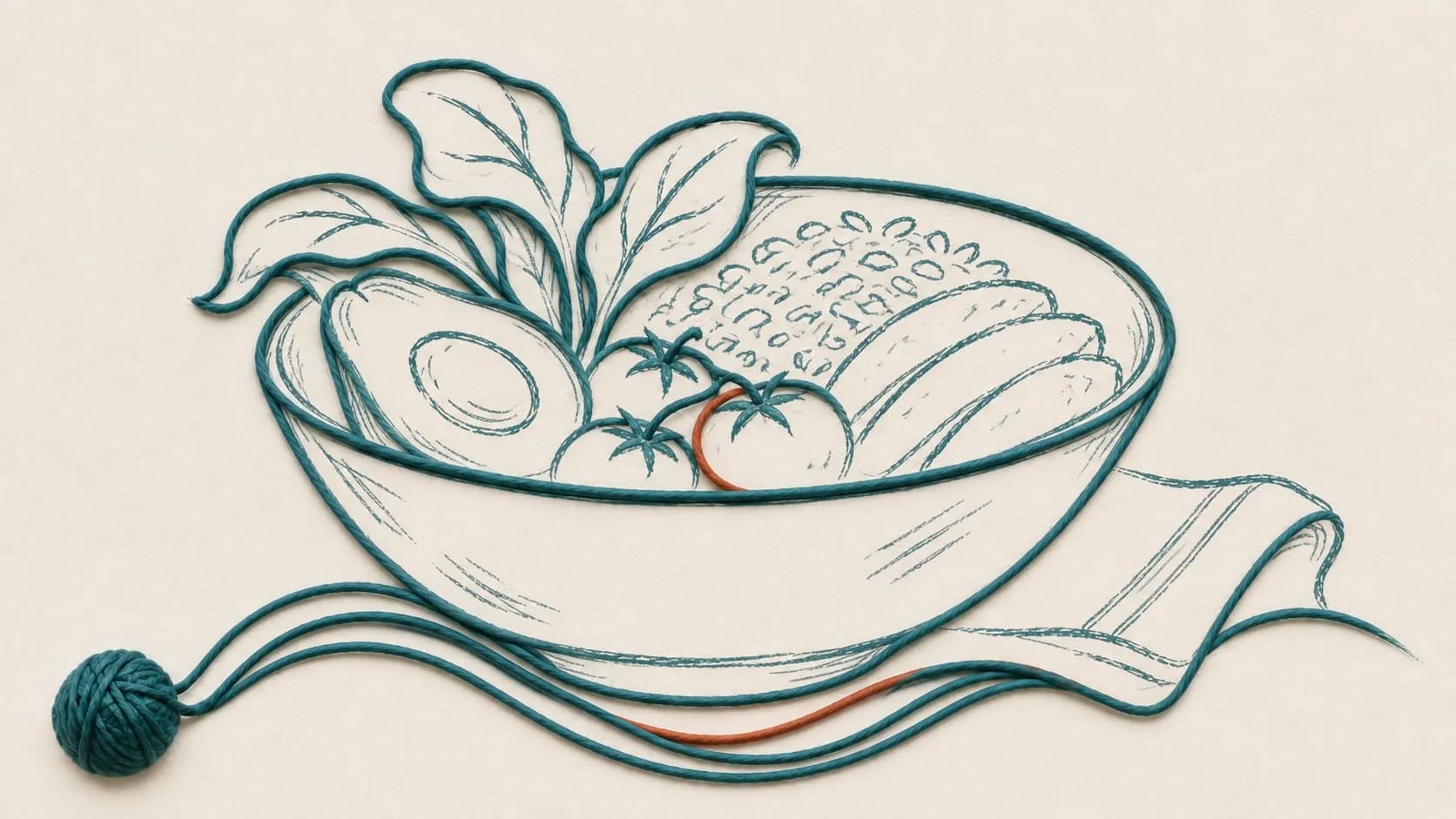
It is a diet based on eating vegetables and fruit of many different colours, wholegrain cereal products (brown bread, pasta, groats and rice), pulses, nuts and seeds (provided that they are unsalted and unsweetened), extra virgin olive oil (which, in a Polish diet, can successfully be replaced with rapeseed oil) and dairy products.
In this diet, red meat is replaced with lean poultry, fish and seafood. As you can see, this dietary pattern consists mostly of plant-based foods, and these foods are particularly rich in biologically active substances with antioxidant and anti-inflammatory effects, such as polyphenols, vitamins C and E, and β-carotene. These play a significant role in preventing chronic conditions, including depression.
For example, the PREDIMED study, which involved a European population, showed that the Mediterranean diet is beneficial not only in preventing cardiovascular disease. As for depression, the result for the study group as a whole was not statistically significant. However, a significantly lower risk of depression was observed in the subgroup of people with type 2 diabetes who followed a Mediterranean diet supplemented with nuts.
In turn, a study carried out in Australia in people with moderate or severe depression who followed a modified Mediterranean diet for 3 months found a significantly greater improvement in depressive symptoms than in people who did not follow this dietary pattern.
Another study, also carried out in an Australian population, found that in a group of people with depression, a Mediterranean diet supplemented with fish oil (a source of omega-3 fatty acids) led to a significantly greater reduction in the severity of depressive symptoms and an improvement in quality of life after just 3 months.
Besides confirming the beneficial effect of the Mediterranean diet in preventing and treating depression, these studies also show that the benefits were visible within a relatively short time.
It should be stressed, however, that diet should be an integral part of depression treatment. It cannot replace either pharmacotherapy or psychotherapy.
MBJ: And could we point to specific nutrients whose deficiency in the diet may be linked to an increased risk of depression?
DW: The nutrients whose intake is considered particularly important in the diet of people with depression include omega-3 fatty acids, B vitamins (especially folic acid, vitamin B6 and vitamin B12) and tryptophan.
Among omega-3 fatty acids, EPA (eicosapentaenoic acid) and DHA (docosahexaenoic acid) are particularly important. DHA is mainly a building block of nerve cell membranes. An inadequate intake of these acids can lead to an increased risk of developing depression and anxiety disorders. EPA and DHA are found in oily sea fish such as salmon, herring, mackerel and tuna. Linseed oil and walnuts contain ALA, a different omega-3 fatty acid.
B vitamins, in turn, support the nervous system and affect the transmission of nerve impulses. They may also ease anxiety, restlessness and irritability. In addition, a deficiency of folic acid, vitamin B6 and vitamin B12 can disrupt the synthesis of neurotransmitters such as serotonin and dopamine, which in turn can affect your mental state. To provide the body with enough of these vitamins, the diet should include nuts and seeds, wholegrain cereal products, lean meat, eggs and fish, pulses, buckwheat and green leafy vegetables (broccoli, spinach, lettuce, savoy cabbage and Brussels sprouts).
Another important nutrient in the diet of people with depression is the amino acid tryptophan.
Importantly, it is essential for the synthesis of serotonin, the neurotransmitter that regulates our mood. A lack of it can lead to emotional disturbances. A link has also been observed between low serotonin levels and the risk of depression. This amino acid is typically found in pulses, pumpkin and sunflower seeds, turkey, tuna, avocados and bananas.
MBJ: In that case, perhaps it would be enough to take vitamins and minerals as a dietary supplement? Many people prefer this way of “looking after” their diet — it is easier to take a pill than to change your eating habits.
Unfortunately, it doesn't work like that. A properly balanced diet is the best way to provide all the essential nutrients, and this route should be considered first. Studies assessing the effectiveness of supplementation with omega-3 fatty acids or with B vitamins and folic acid have produced mixed results. The need for further, well-designed studies to assess both the effectiveness and the long-term safety of such supplementation is emphasised. It is a good idea to talk to a doctor before taking supplements.
MBJ: We now know how people with depression should eat. Could you tell us in a few words what they should avoid?
Foods containing excessive amounts of fat should be cut out of the diet, although the type of fatty acids consumed seems to matter more here than the amount. Epidemiological, clinical and experimental studies have observed the harmful effects on health of saturated fatty acids, whose main sources are meat and processed meats and, to a lesser extent, dairy products. Trans fatty acids should also be eliminated from the diet. They are found in hard margarines, confectionery, fast food and instant meals (e.g. instant soups). Eating too much sugar is also harmful.
Alcohol, which has a neurotoxic effect, should also be eliminated from the diet of people with depression. In addition, drinking alcohol can reduce the effectiveness of antidepressants and lead to poorer results in psychotherapy.
MBJ: Thank you very much for shedding light on such an interesting topic.
DW: Thank you too. I would just like to stress that our conversation does not cover every topic related to the effect of diet on mood. A relatively new area is the link between the gut microbiota and mental disorders, and the possibility of changing its composition through components of food. Perhaps we will have the opportunity to discuss these issues in the future as well.
MBJ: Until next time, then.
DW: Until next time.