Mental health plays a key role in our lives, shaping the way we function, build relationships and cope with everyday challenges. Although awareness in this area is steadily growing in Poland, and the subject comes up more and more often in public awareness campaigns and private conversations, for many people it still remains an area full of uncertainty. Talking about emotions can be difficult, and seeking psychological support can be overshadowed by the fear of being judged.
Why is this so? Many Poles now consider conversations about mental health to be key to building healthy relationships and understanding themselves better. This shows how much has changed in the way this subject is perceived. On the other hand, some of us still feel reluctant to have such conversations, which points to persistent barriers.
Is mental health really a difficult subject, or do we put obstacles in our own way? To better understand why so many people still hesitate to be open, let's look at the challenges that hold us back and at the opportunities we have to change the way we talk about it. Mental health deserves to be in the spotlight — not only on special occasions, but every day.
The barriers we still face
1. Fear of social judgement
Fear of what others think remains one of the biggest obstacles. In many cases, admitting that you are struggling with mental health difficulties is seen as a sign of weakness or of not being able to cope. This way of thinking discourages openness, especially at work or among people we don't know well. However, understanding that any of us can go through difficult times is key to overcoming this false judgement.
2. Stereotypes around mental health
Mental health is sometimes seen as a somewhat “awkward” subject — it is often accompanied by an image of people struggling with serious disorders, which leads to a lack of understanding of more common difficulties, such as anxiety or burnout. Stereotypes like these put people off seeking help, because they are afraid that their problems will be played down or misunderstood.
3. Lack of widespread education
Mental health education is still not standard. There is a lack of knowledge about what mental health really is, how important it is in our lives and where to find the right help. Many people avoid seeking support because they don't know what to expect when talking to a specialist, which builds a further wall of fear around this area of life.
4. Pressure to succeed and be perfect
Modern society places high demands on us — at work, at home and on social media. The pressure to be “perfect” often leads people to suppress their emotions and ignore mental health problems. Instead of seeking support, people focus on keeping up the appearance of coping, which can make their difficulties worse.
How can we break down the barriers?
Conversation — the key to healthy relationships
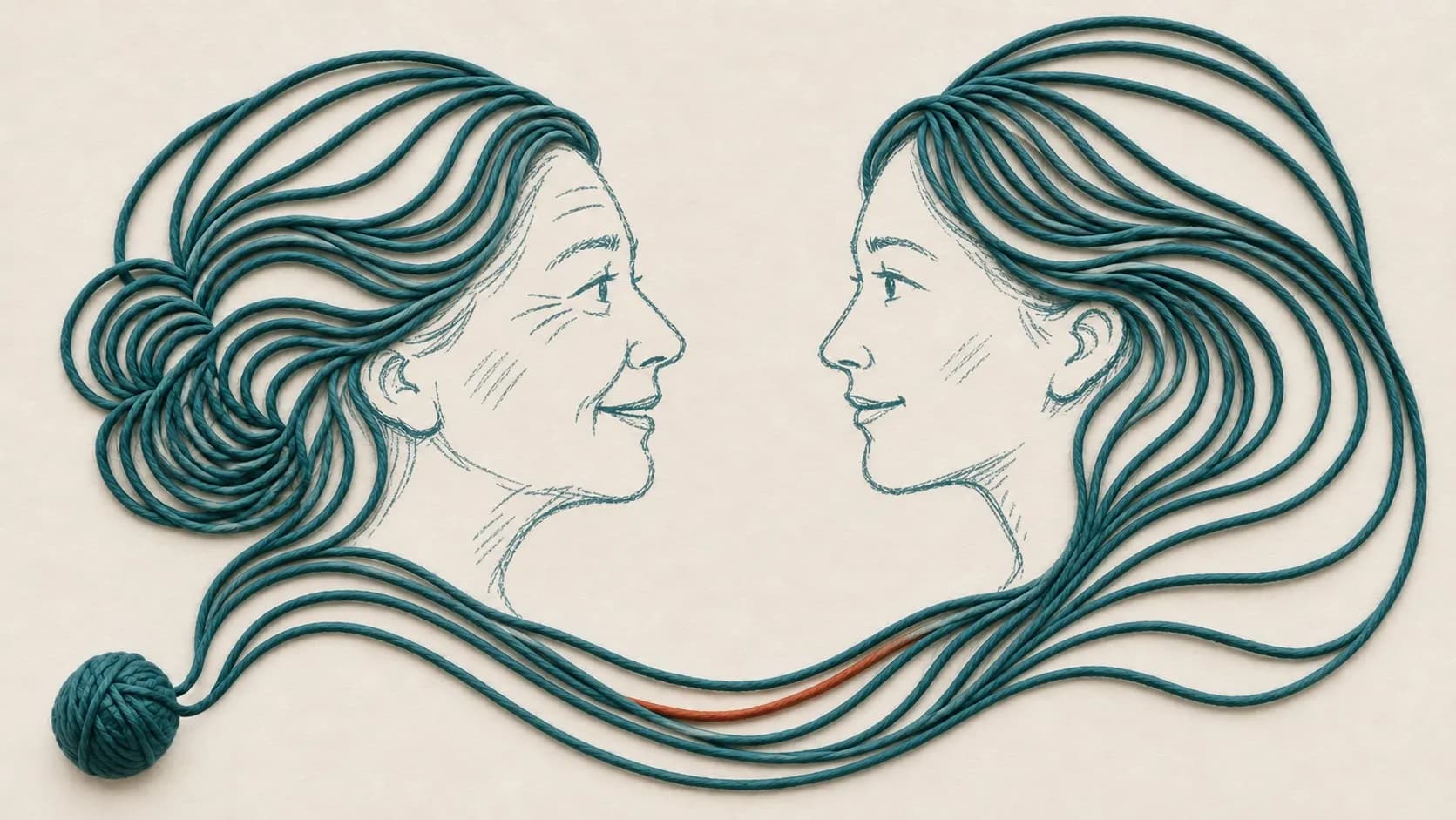
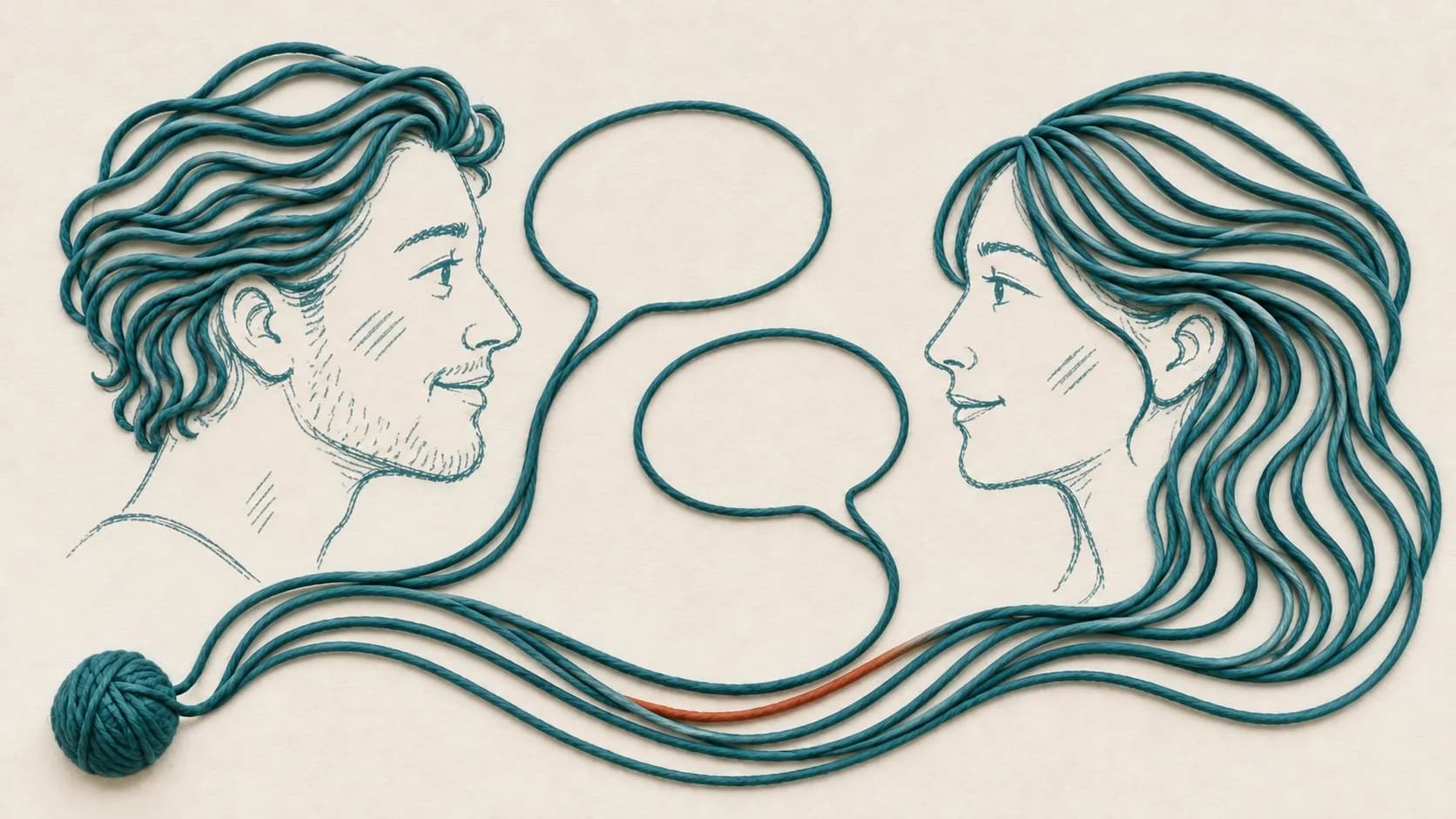
Conversation has extraordinary power — it is not only a way of expressing emotions, but also a tool for building deep bonds with others. Talking about emotions is the basis of mutual understanding and the foundation of healthy relationships. Sharing experiences helps us to overcome barriers and creates an atmosphere of support and acceptance.
Through conversation we can not only help our loved ones, but also understand our own needs and challenges. More and more public awareness campaigns encourage us to make this simple gesture — sometimes a single question, “How are you feeling?”, can be the start of a big change.
The power of modern tools
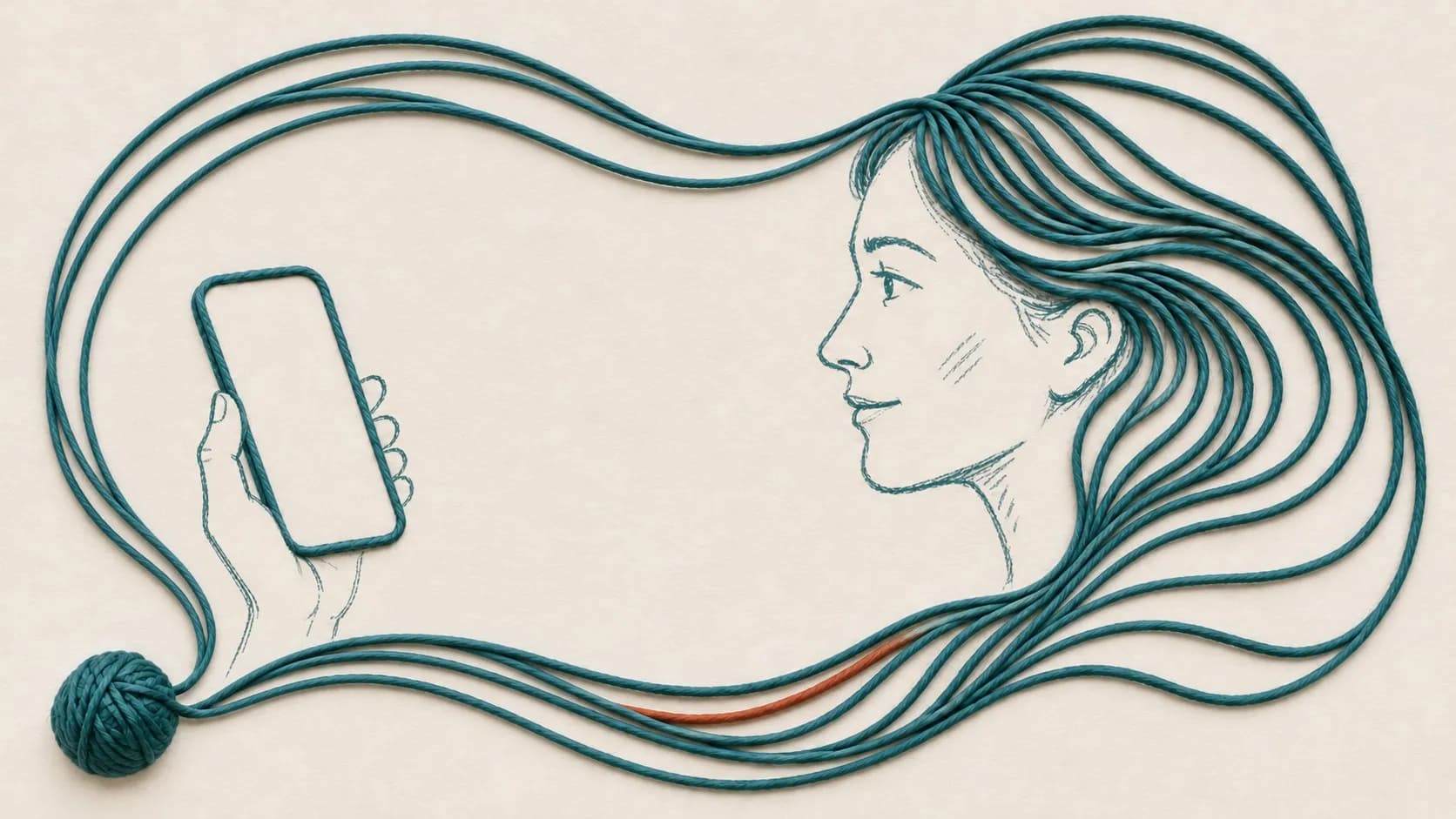
Technology and social media are becoming allies in breaking down barriers around mental health. Blogs, YouTube channels, podcasts and online support groups make it possible to share knowledge and stories that inspire people to take action. Thanks to these tools, more and more people are discovering that their experiences matter and that a conversation can be the start of change.
Employers are also recognising the importance of mental health in the workplace. Companies are introducing support programmes, such as psychological consultations, mindfulness workshops and stress management training. These initiatives not only help individuals, but also promote healthy relationships within teams.
Mental Health Centres — support within reach
In Poland, Mental Health Centres (CZP) are playing a growing role in helping people struggling with mental health problems. They are specialist centres offering comprehensive help, from psychiatric consultations to individual and group support provided by psychologists, psychotherapists, community therapists, peer support workers and social workers. CZPs operate within local communities, which makes their help more accessible.
It is worth stressing that Mental Health Centres are places that focus on understanding and an individual approach to each person. They are spaces where you can find safety and support, and get professional help from a qualified team of specialists.
Mental health — an investment in the future
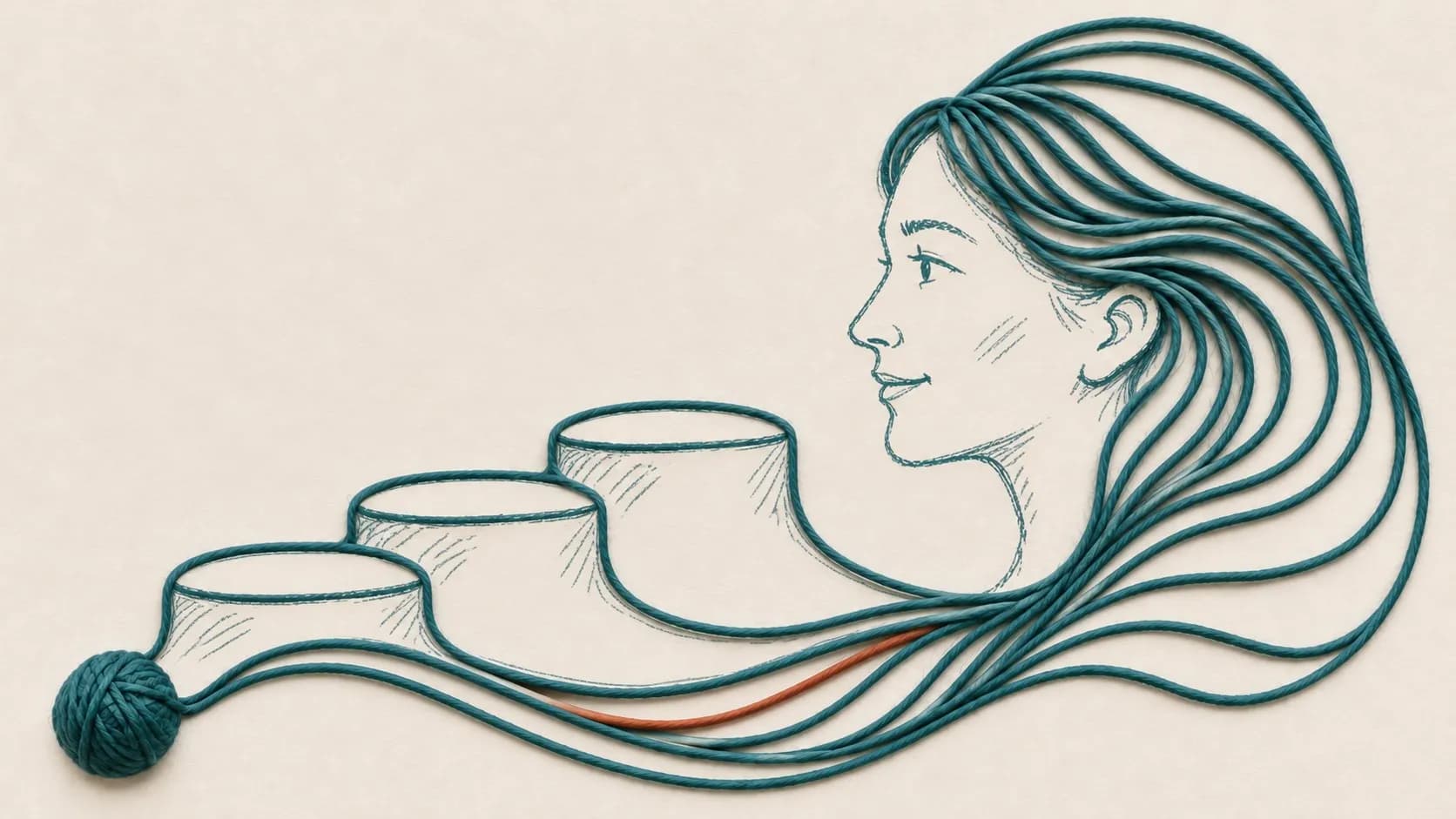
In summary, mental health is the foundation of a happy and harmonious life. Conversations about it open the door to change, both in how we approach ourselves and in how we approach others. Working together, education and the care offered by places such as Mental Health Centres help to build a world in which everyone has the right to support and acceptance.
Each of us can contribute to change — all it takes is to start with small steps, such as a conversation or taking an interest in what we can do for ourselves and others. These actions hold a strength that allows us to break down barriers and create a more empathetic, open world. Mental health is not a luxury — it is our shared responsibility and a source of inner strength.
Author: Mariusz Światowiec
Community therapist at the Leonardo da Vinci Mental Health Centre