
Get to know their approach
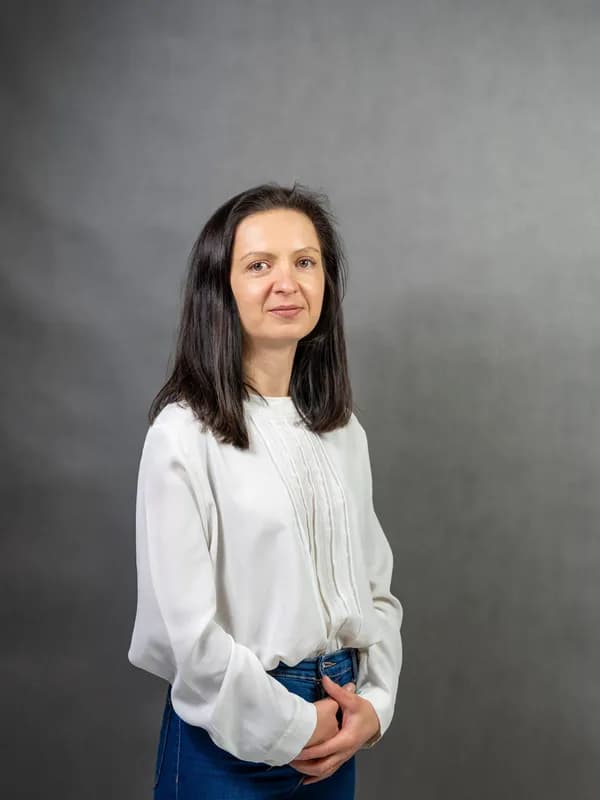
Natalia
Podżorska-Kot
Psychologist and psychotherapist
- Role in the team
- Psychologist · Psychotherapist
- Position
- Psychologist and psychotherapist
- For patients
- Free of charge under a contract with the National Health Fund (NFZ)
First, we meet.
She graduated from the University of Opole with a Master's degree in psychology. She is currently undertaking a comprehensive psychotherapy training programme that integrates systemic and psychodynamic approaches, accredited by the Polish Psychiatric Association.
She has gained experience at places including the Centre for Gynaecology, Obstetrics and Neonatology in Opole, the PRODESTE Foundation and a therapy centre, working with children, young people, adults and their families.
For many years she has also been running training on psychological support for teaching staff and parents. She has been with the Mental Health Centre in Wieliczka since September 2022.
She supports others in their individual and group development, helping them to improve their quality of life in their relationship with themselves and with others. She works with people in various kinds of crisis, people who have experienced trauma, people who have difficulties in their relationships with others, and those for whom functioning in the world is a source of suffering. She receives regular supervision.
Outside work, she is passionate about mountain climbing and cooking.
What can we
make room for?
- Individual psychotherapy
- Psychological support
- Community support
Professional
background.
Education
- University of Opole – psychology
Courses and training
- Training: integrated systemic-psychodynamic approach – KONTEKST Foundation
- Szkoła Trenerów Edukacyjnych i Rozwojowych STER (STER School for Educational and Development Trainers)
- Szkoła Dramy Stosowanej STOP-KLATKA (STOP-KLATKA School of Applied Drama), Level I
- Teaching qualification
- Schema therapy
- Principles of running support groups
- Introduction to ACT-based trauma therapy
- ACT for chronic physical illness and chronic pain
- Is it possible to understand your own parents? The family of origin in the therapy room.
- Between the fear of closeness and the fear of rejection – systemic therapy for relationship difficulties.
- Talking about dying, and more
- Diagnostic qualifications: Stanford-Binet Intelligence Scales, Fifth Edition (SB5); Minnesota Multiphasic Personality Inventory-2 (MMPI-2)
Psychologist and psychotherapist
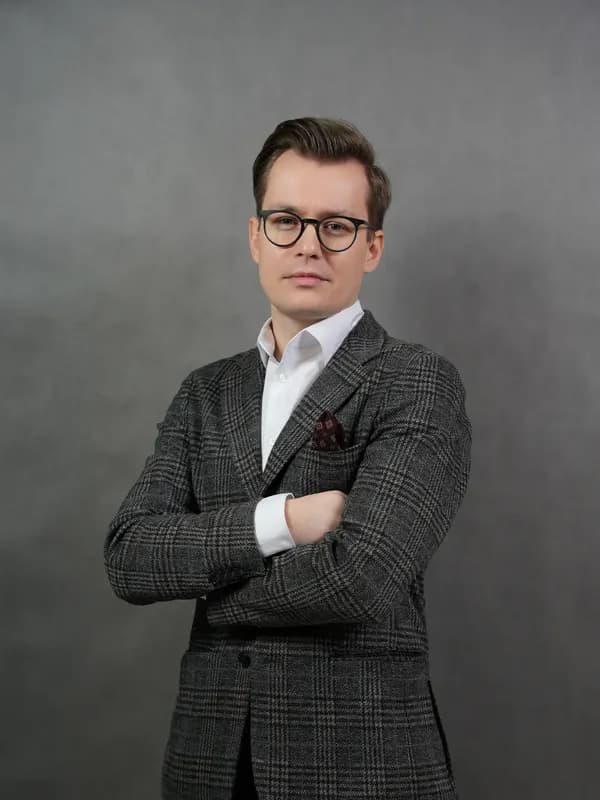
Rafał Polak
I am a psychologist and a cognitive behavioural psychotherapist in training at the School of Cognitive Behavioural Psychotherapy led by Dr hab. Agnieszka Popiel and Dr Ewa Pragłowska.
Psychologist and psychotherapist
Anna Starzyńska
I graduated in psychology from the Jagiellonian University in Kraków. I am currently completing the four-year Psychotherapy Course run by the Personality Disorders and Neuroses Treatment Ward of the Dr Józef Babiński Clinical Hospital in Kraków.
Psychologist
Robert Tkanka
He graduated in psychology from the University of Social Sciences in Łódź, specialising in health and clinical psychology.